Examining Interconnected Loyalty Pathways Across Mobile Sports and Gaming Interfaces
Freya Franke · Oct 27, 2026
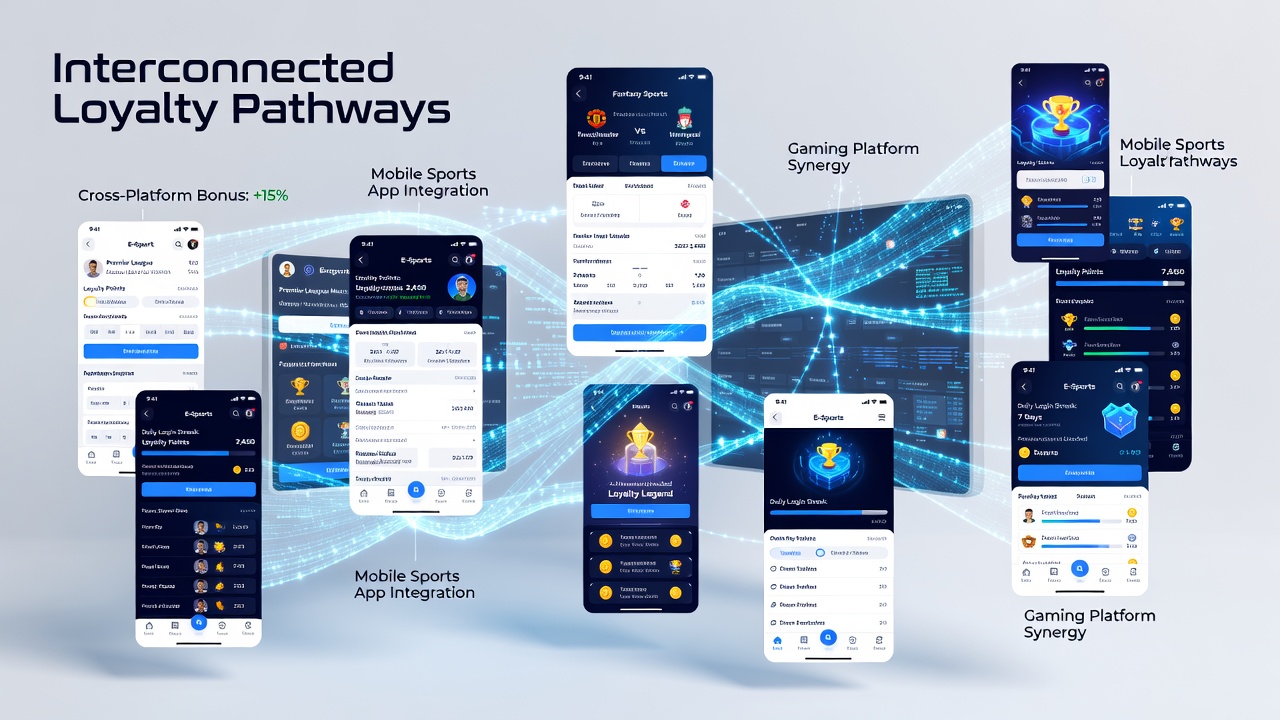
Examining Interconnected Loyalty Pathways Across Mobile Sports and Gaming Interfaces
Operators in multiple regions now link sports betting modules with casino game libraries through unified mobile loyalty systems that track activity across both verticals in real time. These pathways allow players to accumulate and redeem rewards without switching between separate accounts or interfaces, a shift driven by advancements in API connectivity and player data aggregation.
Core Architecture of Cross-Vertical Tracking
Systems record every sports wager alongside casino spins or table actions under one player identifier, then convert those metrics into tier points or bonus credits using predefined conversion tables. Developers build these connections with middleware that pulls live odds data from sports books while simultaneously logging reel outcomes from slot servers, creating seamless point accrual that updates within seconds on the mobile device.
Many platforms segment rewards so that a large parlay win in the sports section can unlock a casino free spin package, whereas extended casino sessions might generate sports betting credits during major events. This bidirectional flow relies on backend rules engines that adjust multipliers based on volume and frequency, data sets that operators refine continuously through A/B testing cycles.
Regional Implementation Patterns in 2026
North American states with expanded mobile wagering have seen operators deploy these integrated loyalty layers to comply with state-specific reporting while maintaining player engagement across verticals. Australian operators, operating under frameworks managed by state regulators, apply similar structures to combine thoroughbred racing bets with pokie sessions inside the same app environment.
European jurisdictions following Malta and Gibraltar licensing models require operators to maintain audit trails that separate sports and gaming revenue yet still permit shared loyalty ledgers provided the data remains segmented for tax purposes. In October 2026 several Canadian provinces updated their technical standards to mandate clearer disclosure of how cross-vertical points convert, prompting additional dashboard features that display point sources side by side.
Data Flows and Player Journey Mapping
Telemetry collected from mobile sessions captures session length, bet size distribution, and game type preferences, feeding algorithms that predict when a player might respond to a targeted offer linking the two verticals. One study released by the University of Nevada, Las Vegas gaming research unit examined aggregated anonymized datasets and found that players who engage with both sports and casino content within a single loyalty framework show higher retention rates over six-month windows compared with single-vertical users.

These maps highlight touchpoints where players receive prompts to migrate from one vertical to the other, such as a sports cash-out option that surfaces casino reward notifications or a slot bonus round that includes a sports betting voucher. The pathways reduce friction by embedding the offers inside the active game screen rather than routing users through separate menus.
Security and Compliance Considerations
Regulators in Pennsylvania and New Jersey require operators to isolate financial transaction logs while still permitting loyalty point sharing, a balance achieved through tokenization that masks actual wager amounts from the rewards engine. Similar protocols appear in Singapore’s remote gambling framework, where the Infocomm Media Development Authority reviews integrated systems for responsible gambling triggers that activate across both sports and casino activity.
Encryption standards for these shared databases follow PCI-DSS guidelines augmented by jurisdiction-specific rules on player data portability. Operators conduct quarterly penetration testing on the loyalty middleware to prevent point inflation exploits that could arise when sports and gaming ledgers communicate.
Emerging Metrics and Reporting Standards
Industry associations such as the European Gaming and Betting Association publish periodic benchmarks showing the percentage of mobile active accounts that engage with multiple verticals under unified loyalty programs. Figures reveal steady growth in cross-vertical point redemptions, particularly during seasonal sports calendars when casino play often spikes on non-event days.
Operators now publish anonymized heat maps inside their responsible gambling portals so players can view how their activity distributes across sports and gaming, a transparency measure adopted in several Australian states and Canadian provinces during 2026.
Conclusion
Interconnected loyalty pathways continue to reshape how mobile platforms manage player value across sports and gaming verticals through unified tracking, segmented reward conversion, and region-specific compliance layers. Data from multiple regulatory sources indicates these systems expand player touchpoints while maintaining separate financial reporting streams required by licensing authorities. As technical standards evolve in late 2026, the focus remains on secure data exchange that supports both operator analytics and player-facing transparency tools.